
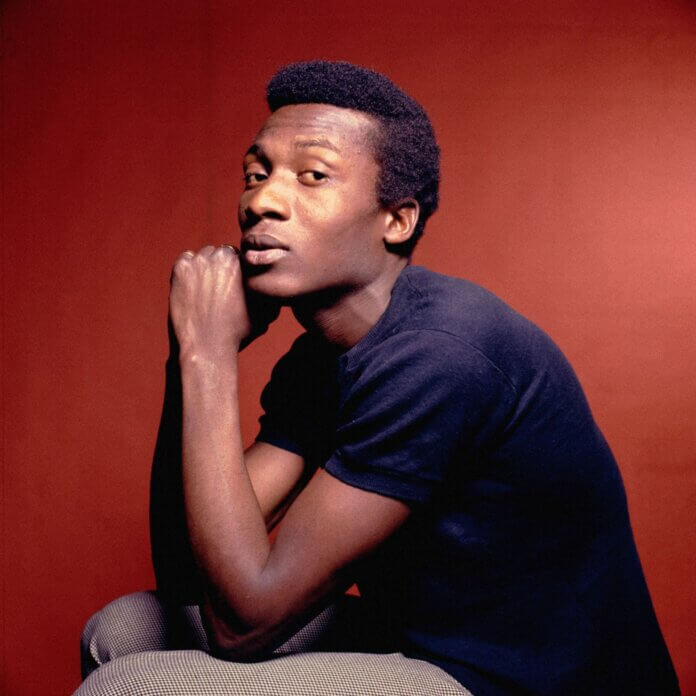
When an artist who has given voice to a people leaves us, all other noise becomes an echo. This was the feeling on 24 November, when the news of Jimmy Cliff’s death spread across the airwaves. With him, the last of the pioneers who needed no proclamations to achieve universal recognition had departed.
Born James Chambers in 1944 and raised in rural Jamaica – in poverty but with great dignity – Jimmy Cliff spanned six decades of music, moving with the natural ease and urgency of someone who never felt he had time to waste. His immense discography traces a journey that begins with the ska of the 1960s, passes through the reggae explosion of the 1970s, touches the broader fusion of black music in the 1980s and eventually returns to its roots at the dawn of the new millennium.
Although 1972 propelled him to legendary status thanks to the soundtrack of the film The Harder They Come, Cliff’s discography is anything but secondary to that achievement. Albums such as Jimmy Cliff (1969), Follow My Mind (1975) and Give the People What They Want (1981) reveal an artist who, at a time when reggae was conquering the world with its simplicity and rootedness, was not afraid to make it more melodic, more spiritual and more universal.
The 1970s established him as an icon alongside Bob Marley, not only because of the film soundtrack but also because, in 1976, Cliff recorded one of the most significant reggae songs ever written: Police and Thieves. The song evokes street warfare, tension and social turmoil without the need for images. Cliff’s interpretation is soft and heartfelt, yet the lyrics are sharp, describing a Jamaica in turmoil – a Kingston where police and thieves appear as two sides of the same coin, and where violence is not the exception but the rule.
The song appeared in the orbit of The Harder They Come and, through later reissues and reinterpretations, became a bridge between the tense spirituality of reggae and the fractured fury of punk. Those of us who are old enough will remember The Clash’s 1977 version on their debut album – an accelerated, electrified, almost disjointed cover that Joe Strummer himself called “a call to arms”. With that recording, The Clash opened the door for millions of British youths in the years that followed, adopting reggae as a parallel language of urban discontent.
Police and Thieves thus became a paradox: a song written to describe chaos in Jamaica turned into the soundtrack of chaos in London. It arrived in England just before discontent truly exploded. This story must be told, because without it one cannot fully grasp the significance of Jimmy Cliff’s musical message today.
The United Kingdom of the mid-1970s was a powder keg of rising unemployment, racial tensions, industrial crisis and growing unrest in neighbourhoods with strong Caribbean communities. Brixton, Hackney and Ladbroke Grove – places now associated with gentrification and relative prosperity – were then at risk of becoming scenes of urban conflict.
In 1976, during the Notting Hill Carnival, Police and Thieves became the unwitting soundtrack to clashes between black youths and the British police. Coincidence? Hardly. Rather, it proved that when a song tells the truth, it can become prophecy.
The Clash were young punk rockers at the time, hungry for everything institutional rock had denied them. Joe Strummer was fascinated by the energy of London’s sound systems, by reggae’s political weight and by the new hybrid identity forming in those neighbourhoods. After hearing Police and Thieves, he decided to record it for the band’s debut album. Their version was a flash – faster, sharper, more aggressive than anything else around. Listen to it: the guitars screech, Strummer’s voice cuts through the mix and the rhythm races breathlessly.
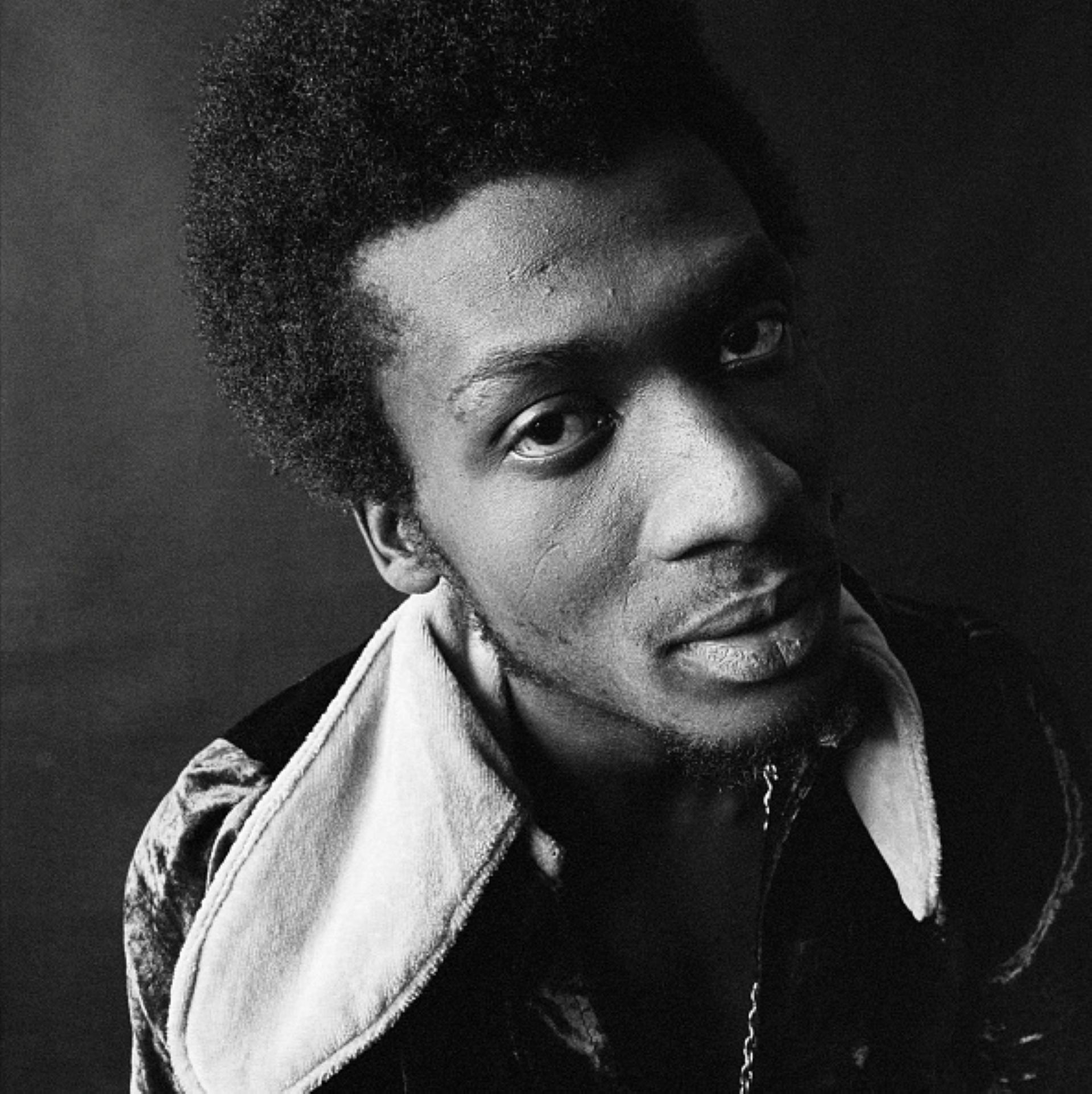
Yet this was not an act of appropriation but of alliance. A hand was extended between the white working class and the black diaspora. Punk ceased to be merely an aesthetic rebellion and became a social one, opening a dialogue that would continue for years – from the dub influences heard on Sandinista! to the entire post-punk era.
After Police and Thieves was reinterpreted by The Clash, something irreversible happened: white youths began listening to reggae differently, while black youths no longer perceived punk as a cultural threat but as a possible ally. British bands started contaminating their sound with Caribbean rhythms, and Jamaican sound systems found a broader audience and a new sense of dignity.
The consequences were profound and their echoes can still be heard today. From there emerged a path that led to the ska revival of The Specials and The Selecter, passed through the dub-infused post-punk of Public Image Ltd and the experimental productions of Adrian Sherwood, and ultimately contributed to the electronic revolution that produced jungle, trip-hop and UK garage in the 1990s.
And all of this – incredibly – began with that song: Jimmy Cliff’s Police and Thieves. That is why the track is considered one of the cornerstones of Cliff’s legacy. It was not merely a protest song, but a symbol of cultural exchange between Jamaica and the United Kingdom. It taught punk to look beyond its own borders and showed reggae how to speak politically beyond its homeland. It revealed to British listeners that the rhythm of the island was not folklore but living history.
Perhaps this is Jimmy Cliff’s true legacy: not only music, but the possibility of dialogue.
The success of that song – far more than a simple cult hit – might have tempted many artists to rest on their laurels. Jimmy Cliff was not that kind of musician. He understood how to read the times – and shape them.
In 1983 he released Reggae Night, produced by Kool & the Gang. The song became a worldwide hit, blending reggae with polished pop and carried by Cliff’s crystal-clear voice. Its chorus became an invitation to celebration and togetherness everywhere, while beneath its sparkling surface the rhythmic urgency of Jamaica continued to pulse.
Reggae Night propelled the singer into the international charts, discos and Walkmans of the early 1980s. It proved that reggae could be danced to without losing its dignity – and that it could be light without becoming empty.
Yet to truly understand Jimmy Cliff we must return to that earlier moment. To 1972. To the film that was not merely a film, but a political statement and a declaration of love and anger toward a country still searching for itself.
Every scene in The Harder They Come carries an autobiographical resonance. It chronicles what was happening – and what still happens – in the ghettos of Kingston, the city where Jimmy Cliff would eventually die of pneumonia. The film’s soundtrack, a miniature cosmos, became the sounding board for a world that demanded to be heard.
The film was made on a shoestring budget, with actors recruited from the streets and a crew driven more by conviction than by resources. Its aim was simple: to show Jamaica as it truly was – not a postcard, not a tourist paradise.
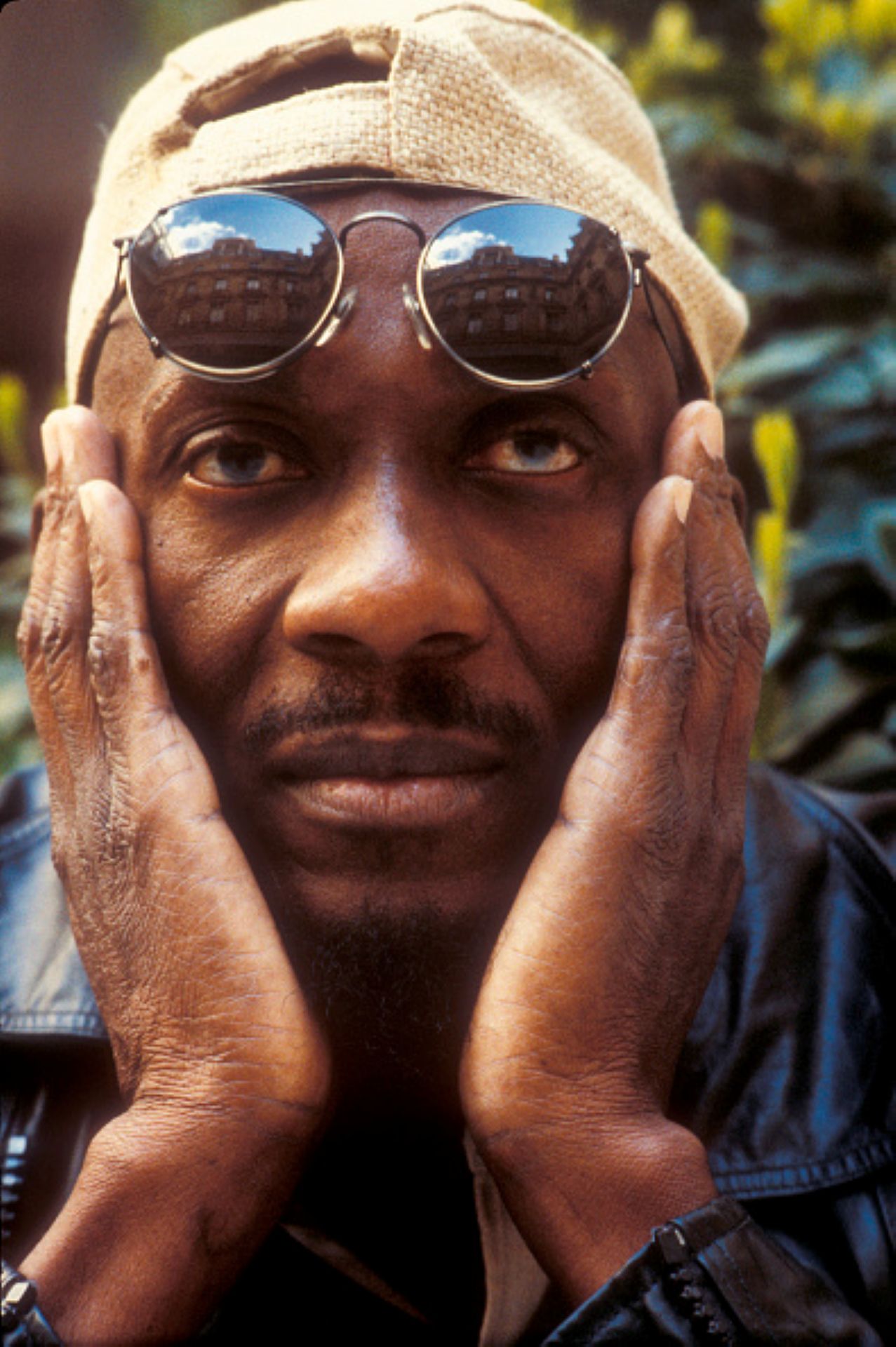
Jimmy Cliff plays Ivan Martin, a young farmer arriving in Kingston with the same light luggage and determined gaze that Cliff himself had brought to the city years earlier. Ivan wants to sing, to stand out, to become somebody. But in that place and time, becoming somebody meant first accepting the possibility of being crushed.
Ivan Martin was Cliff’s alter ego – a shadow brother. Deceived by producers, exploited by the market and devoured by the city, he becomes an outlaw almost against his will, a kind of tropical Robin Hood deprived of every legitimate path to success.
The Harder They Come remains a seminal film not only because of its modern, almost neorealist narrative but also because of Cliff’s magnetic performance – nervous, vibrant and utterly convincing. Music and image fuse together: the songs become inner chapters of the character and the nation itself.
The film vibrates like a radio switched on in the middle of a square – rough, crooked and irresistible. It inspired many directors of the American blaxploitation films that followed. If the film represents the beating heart of Jamaica at that moment, its soundtrack – featuring Jimmy Cliff, The Melodians, Desmond Dekker and The Maytals – is its irregular, powerful pulse.
Director Perry Henzell chose the songs with precision. Determined to portray the island through the lens of survival rather than glory, he selected You Can Get It If You Really Want as an anthem of hope and Many Rivers to Cross as a lament of pain and migration. The latter had been recorded by Cliff years earlier, but in the film it became a universal invocation.
The title song, The Harder They Come, written especially for the film, captured the philosophy of Ivan Martin – and perhaps of Jimmy Cliff himself – urging listeners never to give up, to stand up again each time they are knocked down.
Rivers of Babylon by The Melodians became a secular psalm of diaspora; Pressure Drop by The Maytals a warning about destiny and karma; 007 (Shanty Town) by Desmond Dekker a noir-like portrait of life in the slums.
Rather than simply accompanying the film, the soundtrack explained it. Like a flame touching dry grass, it ignited a cultural transformation that would soon spread across the world.
Some critics have even argued that reggae owes more to The Harder They Come than rock owes to The Beatles. Perhaps. Or perhaps that comparison no longer matters. What matters is that from that moment onward Caribbean music ceased to be peripheral and entered the heart of an increasingly global culture.
Watching the film today, knowing that Jimmy Cliff is no longer with us, produces a strange sensation. Ivan Martin seems to have become Cliff’s shadow self – a figure so deeply embedded in collective imagination that he has outlived his interpreter. Ivan remains the tragic hero of Jamaican modernity; Jimmy its ambassador. The first dies in the film, the second in real life. Yet both remain.
Jimmy Cliff died from complications related to pneumonia. A simple fact. Yet artists do not die only for medical reasons – they die when no one listens to them anymore. And this will never happen to Jimmy Cliff.
In recent years the singer had been celebrated in countless ways as one of the two most iconic figures in reggae history. The other, of course, is Bob Marley. Many are tempted to draw parallels between their deaths, but the circumstances could hardly have been more different.
Marley died young, consumed by melanoma that had spread through his body. He died at the height of his power, already transformed into a political symbol, a myth and a spiritual prophet. Cliff, by contrast, died at the age of eighty-one after a long life in music and cinema, leaving behind the legacy of a patriarch.
Why, then, do they seem to belong to the same narrative in collective memory? Because Bob Marley and Jimmy Cliff represent two sides of the same revolution.
Both transformed reggae into a global language. Marley did so through spirituality and struggle. Cliff did so through cinema, through his luminous voice and through his profoundly human storytelling.
Marley was a messenger – almost a biblical figure – with songs that became political (Get Up, Stand Up), spiritual (One Love) and planetary anthems (No Woman, No Cry). Jimmy Cliff, by contrast, was a narrator – a man closer to the ground.
Marley died in 1981, his passing an earthquake that shocked the world into realising that even its brightest icon was mortal. Cliff’s death in 2025 does not come as a shock, but rather as a transition – the closing of the final chapter in the generation that created reggae.
In both cases, however, it feels as though not only a man has left us, but a fragment of the world itself.
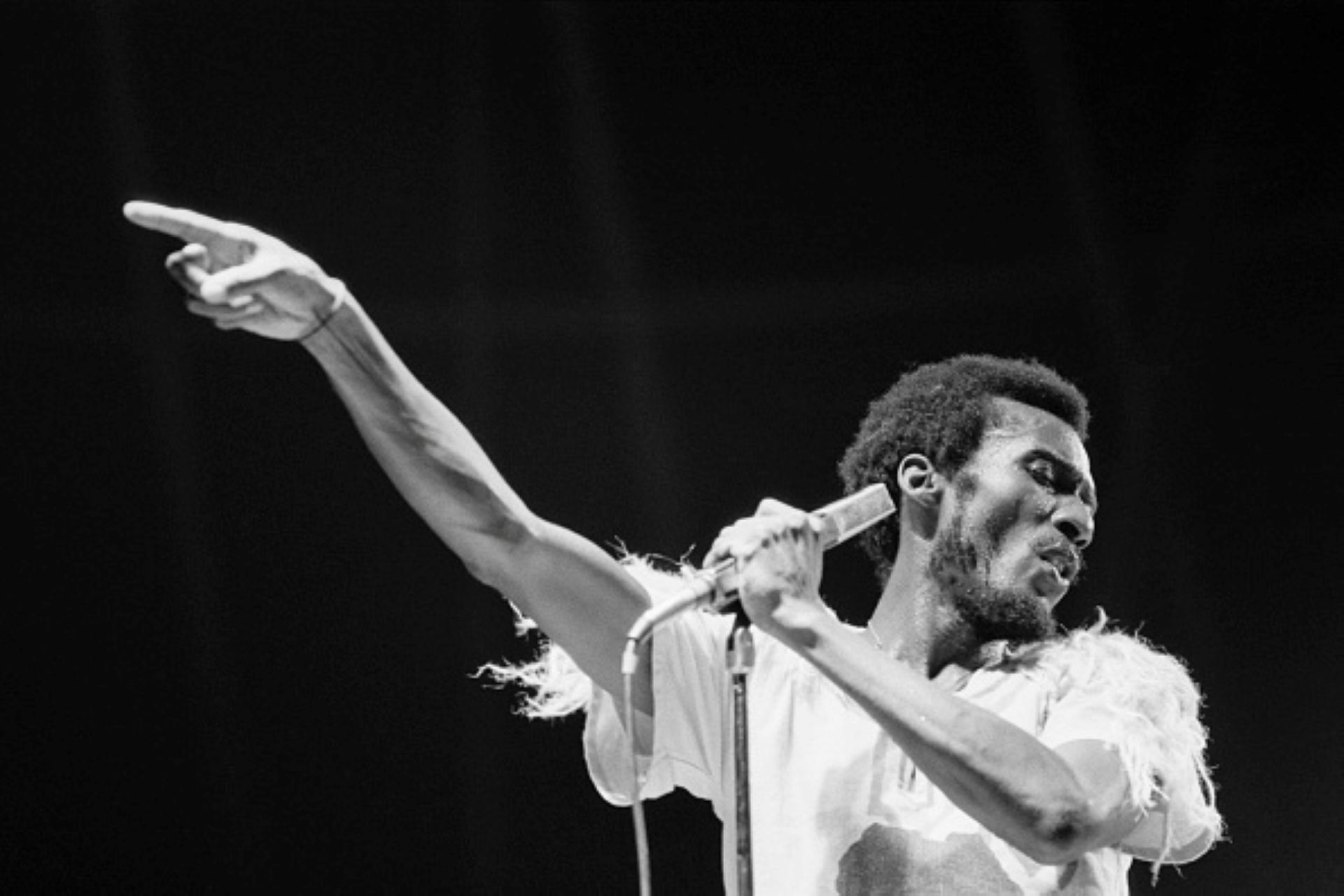
Together they built a cultural bridge between Jamaica and the rest of the planet. Marley embodied redemption; Cliff embodied resistance. The world needed both: Marley’s dream and Cliff’s reality.
Without Cliff, reggae might never have spread beyond its birthplace. Without Marley, it might never have exploded across the globe. They are two movements of the same symphony: Cliff built the orchestra – Marley played it for the world.
Their deaths remind us of the same fragile truth: even giants are mortal.
The same Jamaica that mourned Bob Marley as a son now bids farewell to Jimmy Cliff as a father. Despite their differences, they proved the same essential point: that a music born in the shacks of Kingston could transform the cultural history of the planet.
The tributes that poured in from across the world upon the news of Jimmy Cliff’s death – from the United States to Jamaica, from reggae musicians to pop stars – portray a man who was always a bridge, a root and a breath.
What remains of him today?
The idea that music is, above all, light. The knowledge that the culture of a people can change the world when it discovers its own voice.
And a simple lesson – hard, luminous and unforgettable: the harder they knock you down, the stronger you rise again.
Above all, a sound remains: the voice of a young man who in 1972 sang, “The harder they come, the harder they fall, one and all”, while the rest of the world was – without realising it – discovering Jamaica.
Rather than a minute of silence, we bid farewell to him with a minute of rhythm, with the melodic obstinacy that was his – like the waves that never cease beating against the shore.
Safe travels, Jimmy. Your voice continues to sing, even though you are no longer here.
