
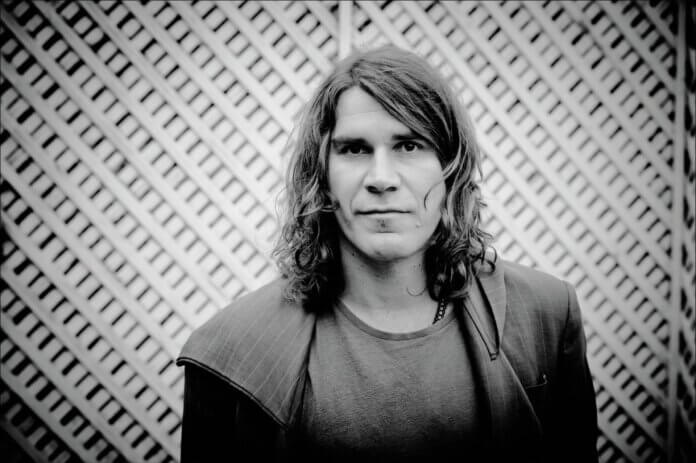


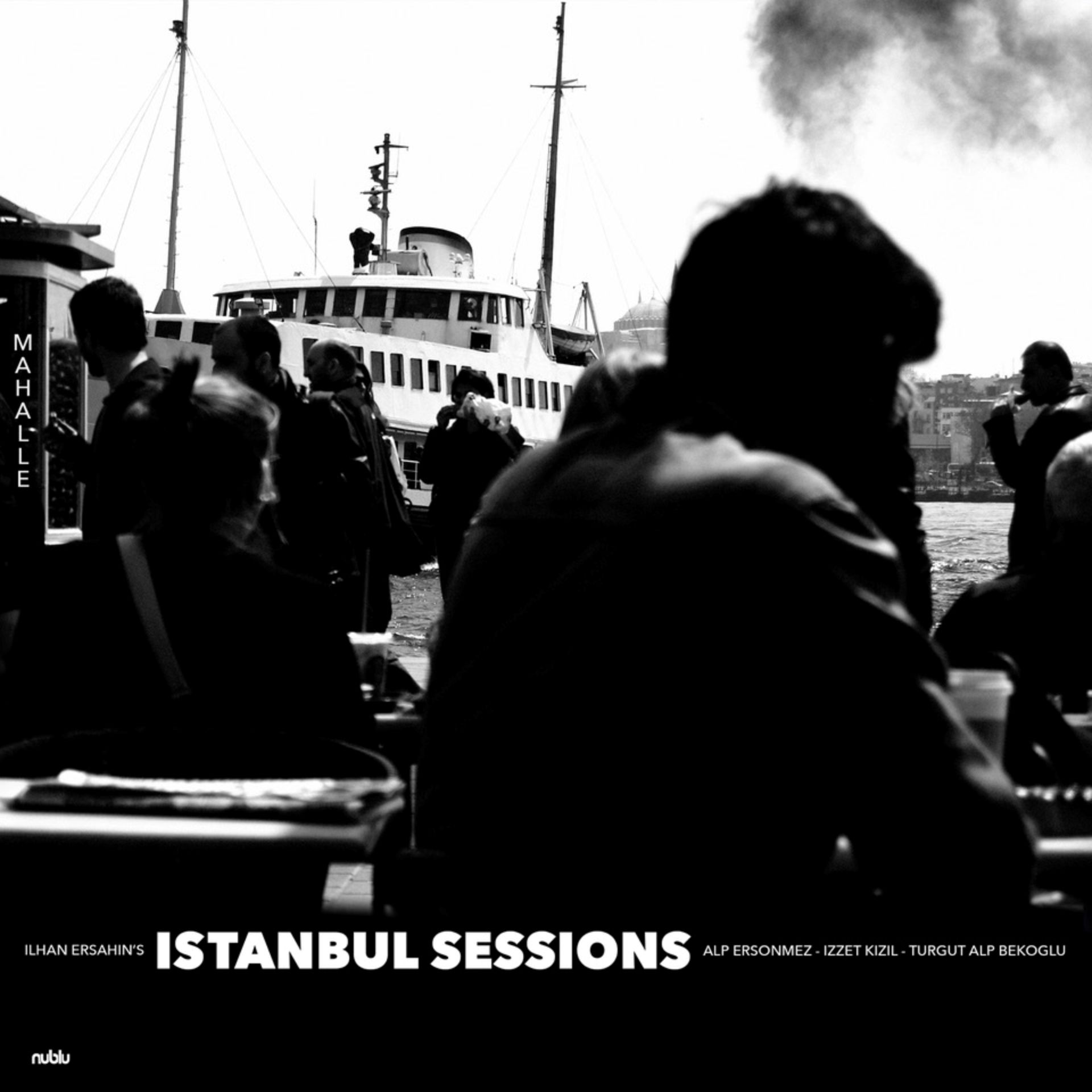
Mahalle means “neighborhood” in Turkish, and a neighborhood can be recognized by its sounds, its voices, its smells, the rhythm of footsteps, and the atmosphere in the air. Ilhan Ersahin knows this well. He inhabits at least three neighborhoods at once: New York’s East Village, where he has put down roots; Cihangir in Istanbul, where he reconnects with his paternal roots; and the streets of Stockholm, where he grew up. Mahalle, the sixth album by Istanbul Sessions, released on January 16, 2026, on Nublu Records, is a sonic map of the Turkish metropolis. Inevitably, though, it is also an inner map, a cinematic journey through Istanbul’s different neighborhoods and, at the same time, a soundtrack built around a global groove in which traditional sounds coexist with contemporary rhythms.
Ersahin is a legend of the New York underground. For more than twenty years, his influential club in the heart of the Lower East Side and his record label, Nublu, have been reference points for anyone who approaches music without boundaries. Its celebrated jam sessions bring together musicians from very different backgrounds: Herbie Hancock, David Byrne, Sun Ra, Beck, John Zorn, Tom Waits, Norah Jones before her international breakthrough, as well as Italy’s own Calibro 35 and many other artists from around the world. Those late-night, improvised, cosmopolitan sessions gave rise to an unmistakable sound, the so-called “Nublu Sound,” and generated a series of successful projects including Wax Poetic, Love Trio, Nublu Orchestra, and I Led Three Lives, all fueled by Ersahin’s creative energy.
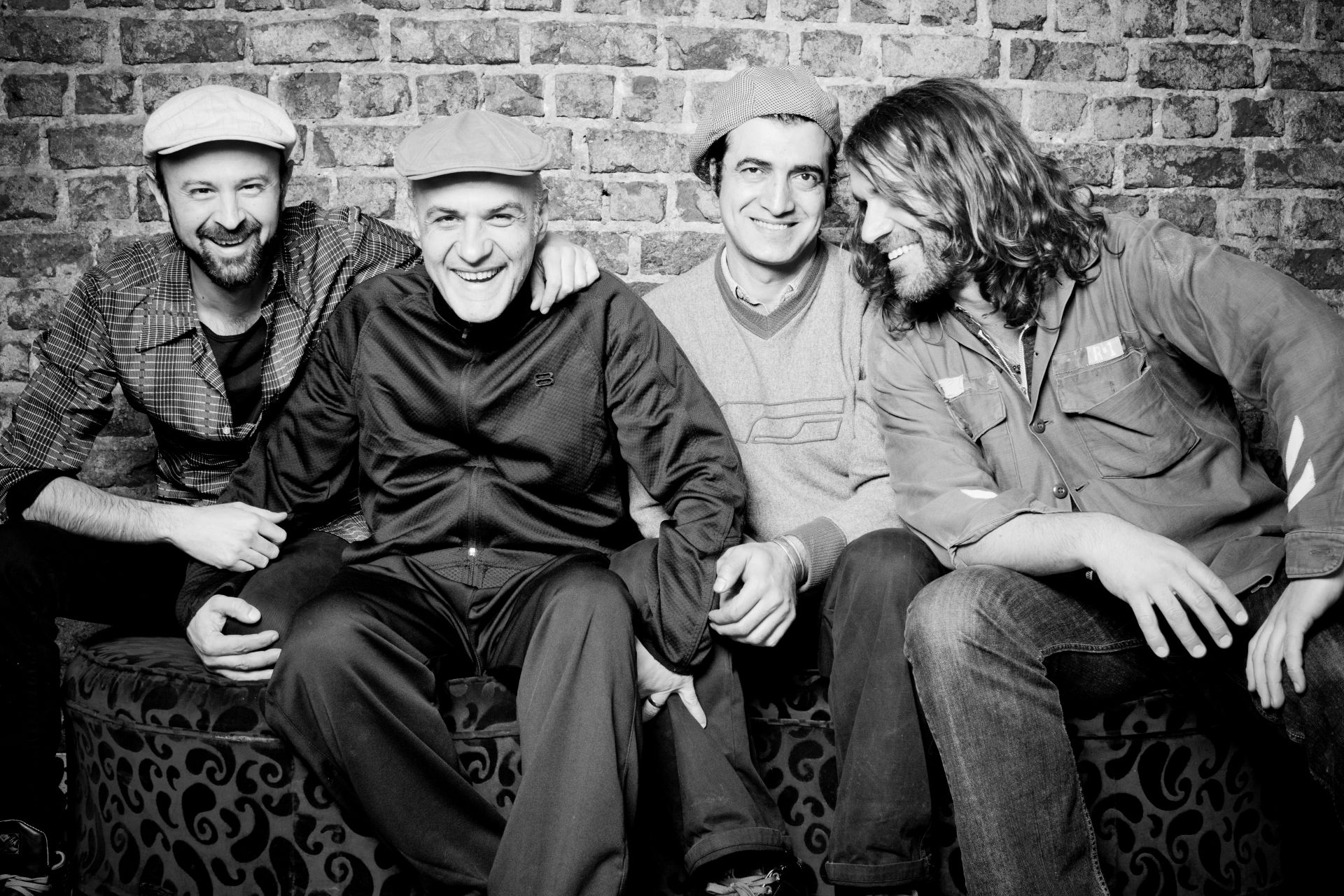
Istanbul Sessions, featuring Ersahin on saxophone and electronics, Alp Ersonmez on bass, Izzet Kizil on percussion, and Turgut Alp Bekoglu on drums, began as an occasional project in 2009 and went on to become a permanent ensemble capable of connecting with cosmopolitan audiences around the world. They have performed from New York to Istanbul, from Paris to São Paulo, from London to Skopje. Milan, in particular, has become a recurring stop on their European itinerary, and once again they chose the city as their only Italian date for the presentation of Mahalle, performing at Santeria Toscana 31 on Sunday, April 19.
We asked Ersahin to tell us how and why his new album came about.
Mahalle maps Istanbul through its neighborhoods: Galata, Karaköy, Yeditepe, Asmalı, Tünel, Tersane, and so on. How did the idea of building an album around the city’s topography come about? Was it planned from the outset, or did it emerge during the composing process?
These are the neighborhoods where I spend time, and which the band also frequents in one way or another. As we were building the grooves and melodies, we were thinking about the places and the atmospheres of those neighborhoods.
Each track is named after an actual neighborhood, each with its own specific history and character. How did you translate those differences into concrete musical choices?
Simply by following the feeling and visualizing the energy and atmosphere of those places.
Is there a moment on the album when you feel the connection between place and sound really worked?
Haha, I think it worked all the way through. I’m very happy with this album.
In real life, what is your favorite neighborhood in Istanbul? Does it correspond to one of the tracks on the album, or did it remain outside the record?
Cihangir is somehow at the center of these neighborhoods, which are all connected. It’s my favorite place because it’s very similar to the neighborhood where I live in New York, the East Village. Cihangir has the same energy. There are so many authentic and interesting people, and there’s a very creative atmosphere.
And if you had to name the track on Mahalle that you are most satisfied with?
I think “Yeditepe” is very strong, both melodically and emotionally.
Mahalle is largely the result of the quartet’s collective work, with Alp Ersonmez bringing his own individual compositional voice to some of the tracks. How has your way of composing changed compared with previous albums?
The last two albums were made together in the studio without any plan beforehand. We went in and built the tracks.
This album was produced by you and Alp Ersonmez and recorded at Babajim Studios in Istanbul. How important is it for you to record in the city that gives the project its name? Does the place enter into the sound itself, or is it more a matter of atmosphere and concentration?
I love recording in cities that I like. Lately I’ve been recording a lot in São Paulo and New York, so recording in Istanbul has always made a lot of sense to me. Especially because there’s that very particular Istanbul feeling.
The previous Istanbul Sessions album, Bir Zamanlar Şimdi, was produced by Tommaso Colliva. How did that collaboration come about, and what did it leave you with in terms of the way you work in the studio? Can traces of that experience be heard in Mahalle?
I released Calibro 35 on my label, Nublu Records, fifteen years ago, so I’ve known Tommaso for a long time. I love Milan, and it felt completely natural to record there with him producing.
Reviews of Istanbul Sessions have always raised the same question: is it really jazz? After six albums, does that question annoy you, amuse you, or have you simply stopped thinking about it?
My music in general is like that. And I think it’s because I don’t want to be a jazz musician. It just seems way too boring to me. I like making new and fresh music that reflects the moment and the people you’re working with. I hear music as a mix of genres, not as just one genre. That whole way of thinking feels old to me. I don’t like boring things: people, musicians, music. Things basically have to be sexy, emotional, spiritual, and groovy.
Your concerts are closer to a DJ set than to a traditional jazz performance: the tracks blend into one another and the rhythm never stops. Mahalle has a very precise narrative logic, almost cartographic. How do you translate the album to the stage? Do you follow the sequence of the record or rewrite it every night?
Yes, the sets are always different, but the idea is really to put people into a trance. To make people fall into the groove. To fall into the abyss of love.
Mahalle is the sixth album by Istanbul Sessions, and your club, Nublu, will celebrate its twenty-fifth anniversary in 2027. Do you already have something in mind for the future? A new project, a different direction, something that doesn’t exist yet?
I have tons of things going on. I’m releasing a series of six albums with different trios here in New York, where I play synthesizers and saxophone. I also have two albums coming out with musicians and friends from Brazil. One band is called Jogo Duro, the other Praia Futura. Then there’s the Nublu Orchestra, and there are also two albums coming that I made with two different DJs from Istanbul. So, it’s a really exciting time!
