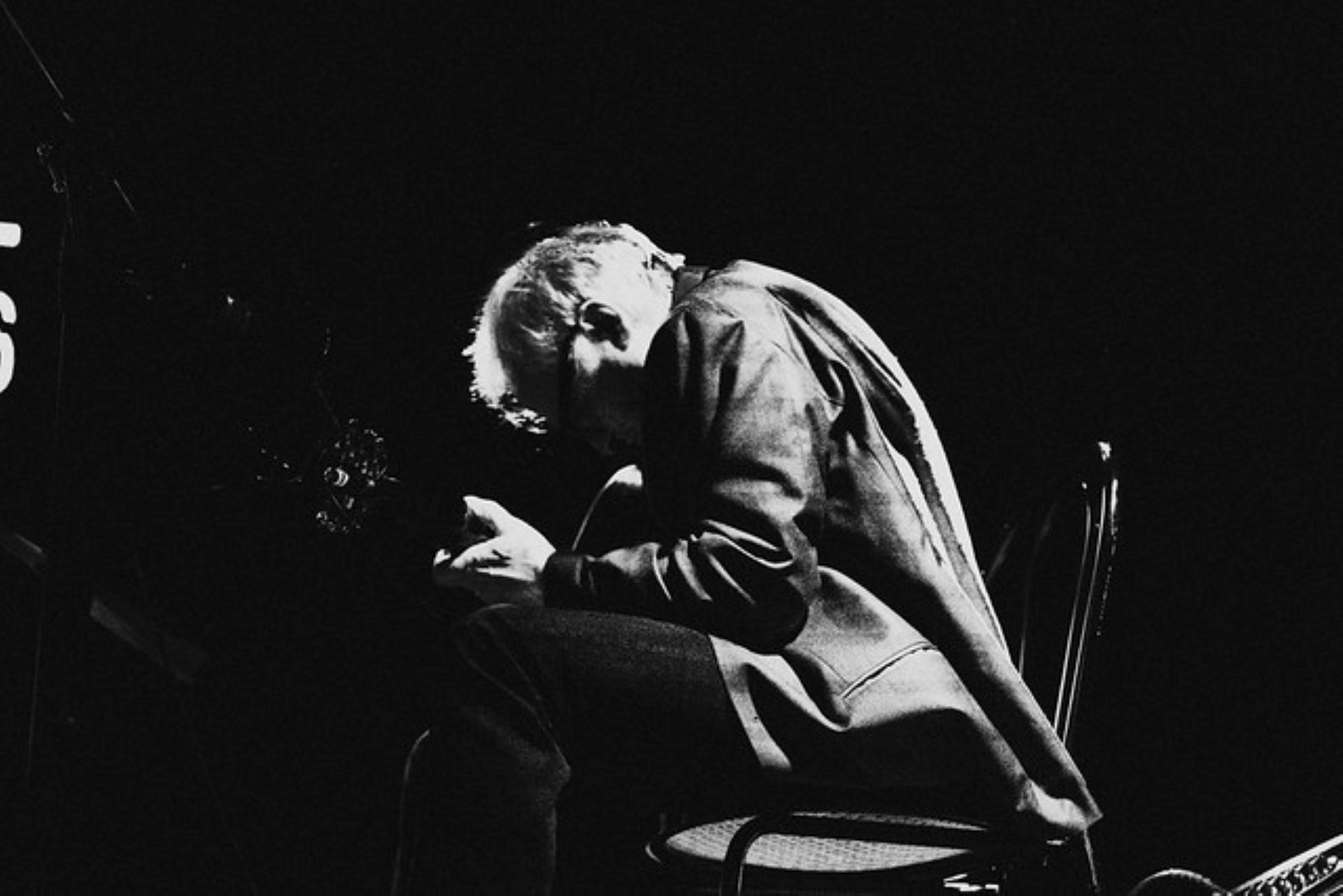


The programme of the 2026 Torino Jazz Festival – renamed The Sound of Surprise – featured a special focus on the guitar this year, thanks to the presence of three heavyweights of the instrument: Marc Ribot, Bill Frisell and John Scofield. Three musicians who, each in their own way, have helped redefine the language of the guitar over the past forty years.
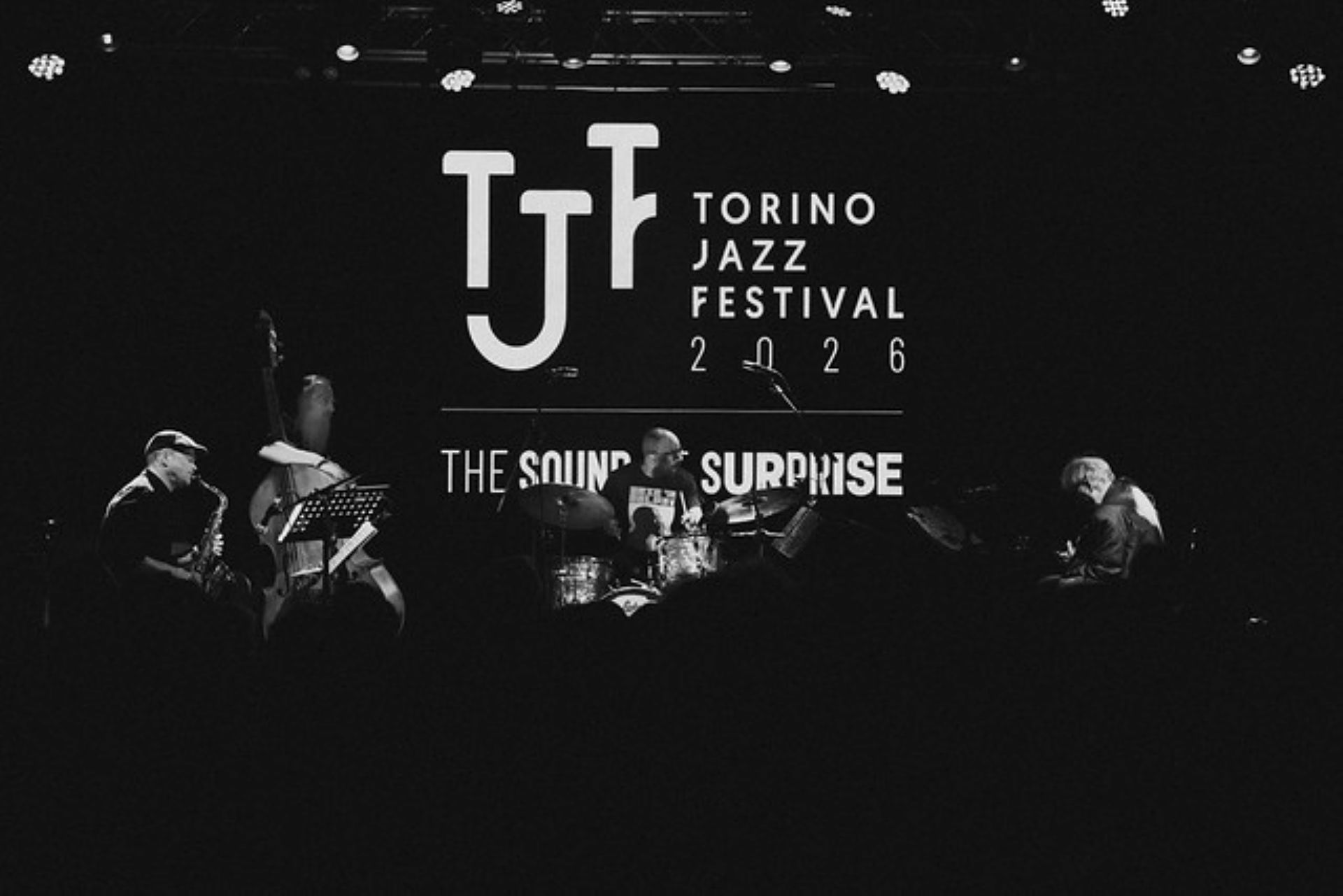
The first to take the stage was Ribot, a central figure in the New York downtown scene, appearing with his new quartet Hurry Red Telephone. Strictly speaking, the group had already performed in Italy last year at the Bergamo Jazz Festival, but in a different configuration: at that time it featured a double-guitar lineup with Ava Mendoza, whereas in this new incarnation Mendoza gives way to the alto saxophone of Briggan Krauss, another key figure from the same scene.
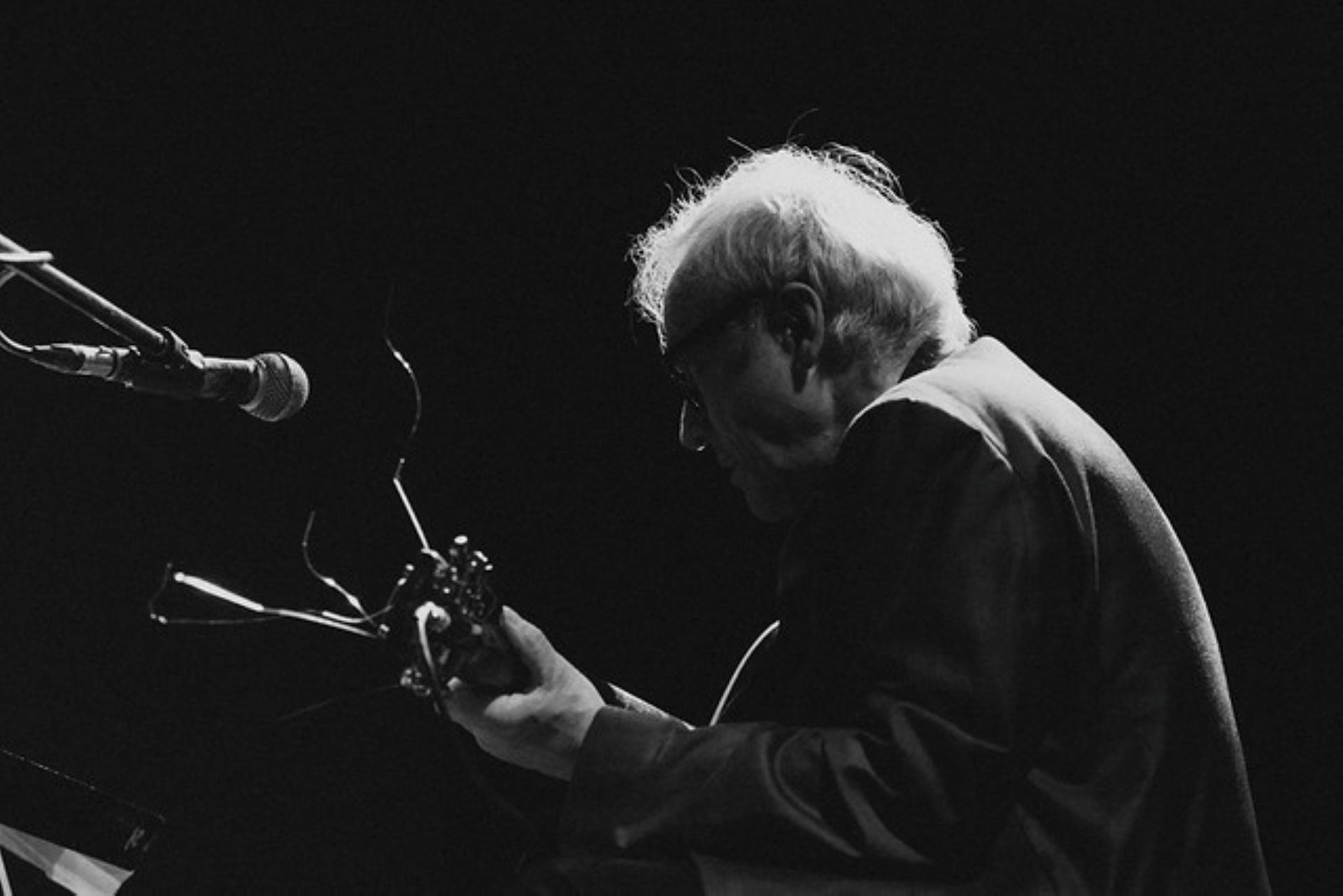
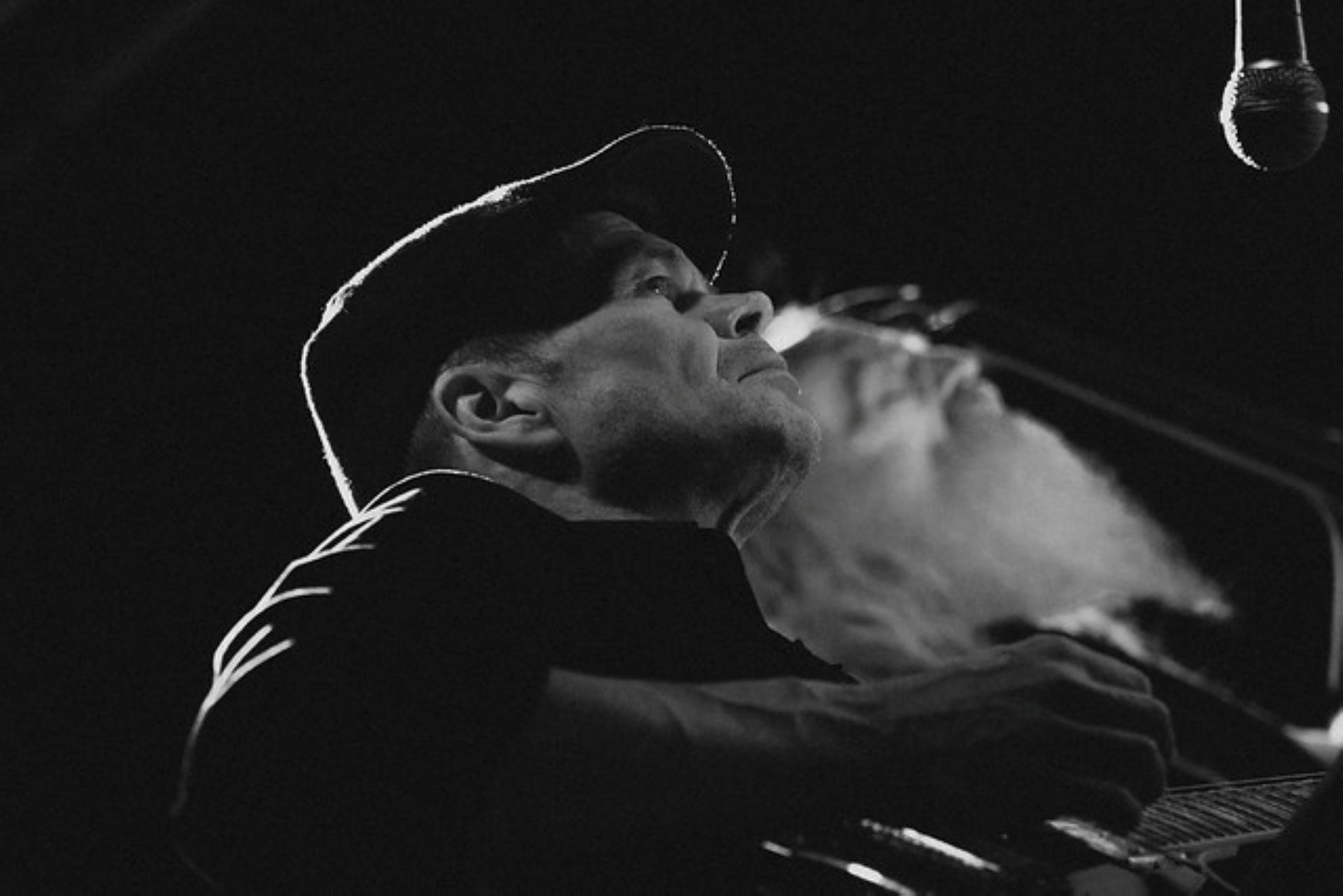
Not a frequent presence on Italian stages in recent years, Krauss nonetheless boasts a significant trajectory, beginning with his early work with the Pigpen project led by Wayne Horvitz in the mid-1990s. An eclectic musician – also active on electric guitar – he delivered a solid performance, despite a sound somewhat compromised both in Ribot’s monitor and in the overall hall mix. His contribution proved decisive: a biting, personal tone that functioned as the perfect counterpoint to the many trajectories of Ribot’s guitar, both in unison passages and in the tightly woven dialogues between the two instruments. A crucial presence in further refining the aesthetic of a group that, already promising at its inception, shows no intention of settling.
The rhythm section was a tireless engine throughout the performance. Sebastian Steinberg – founding member of Soul Coughing – delivered a sharply defined performance, weaving hypnotic grooves and employing extended techniques as well as the bow to expand his expressive range. Alongside him, the ever-reliable Chad Taylor, by now an indispensable presence in Ribot’s projects and a key figure in many of the most significant avant-jazz recordings of the past decades. His versatility – spanning post-free explorations, rock-inflected contexts and contemporary jazz – was once again fully on display.
As for the leader, it can be stated without hesitation that this incarnation of Hurry Red Telephone stands among Ribot’s most compelling projects of the past fifteen years, alongside the trio with Henry Grimes and Taylor, and arguably more successful than his ventures with The Young Philadelphians and the Jazz Bins. The performance unfolded as a continuous, uninterrupted flow: a single, extended sonic trajectory through which Ribot guided the audience at the Hiroshima Mon Amour across a wide spectrum of stylistic textures.
Ribot has often stated that he does not consider himself a jazz musician in the strict sense; yet his deep knowledge of the jazz language is unmistakable, as is his ability to reshape it from a lateral – at times liminal, for some even external – perspective. The point of departure was a post-rock framework entrusted to an atypical power trio – due to the presence of the double bass – enriched by Krauss’s measured yet incisive interventions. From there, the group moved across multiple territories: echoes of Miles Davis’s electric period, calypso and Caribbean inflections, and passages where, with eyes closed, one could easily imagine a guitar–double bass–drums trio shaped by the aesthetic of ECM, interspersed with spoken word. All of this was filtered through Ribot’s unmistakable voice, alternating between lyricism and angularity, always sustained by a remarkable intensity of sound and creative energy.
But Ribot is not only a musician. He is also one of the few contemporary artists capable of using his role to convey a message that extends beyond the purely musical sphere. As in the great season of free jazz, the artistic and political dimensions become inseparable. “Do you know that in our country it has become illegal to be anti-fascist?” he provocatively asks from the stage. “As long as we have freedom of speech, we will continue to speak.” He then wishes the audience a happy Liberation Day – albeit one day late – prompting a heartfelt ovation, greeted with knowing smiles from both the band and Ribot himself, fully aware of the context and his audience.
The concert draws to a close, but there is still time for one final piece, “Aliens in the White House”, a disorienting blues with explicit references to the current American political landscape. Thus ends – triumphantly, in many respects – a performance destined to leave a lasting mark on the festival’s recent history.